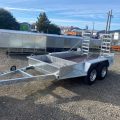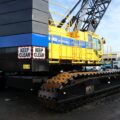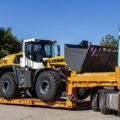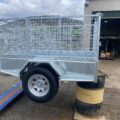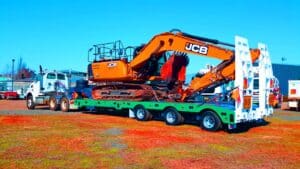
Crane trailers are crucial for the transportation of heavy machinery, equipment, and cranes to various work sites across Australia. These trailers are designed to handle large, heavy loads while ensuring safety, compliance with regulations, and ease of transport.
Choosing the right crane trailer for your project can be a challenging task, especially when considering the various types available, the size and weight requirements of your crane, and legal regulations.
This guide will help you make an informed decision by breaking down all the key factors to consider when selecting the right crane trailer for your business needs.
Understanding Crane Trailer Types
What is a Crane Trailer?
A crane trailer is a specialised vehicle designed to carry large, heavy machinery, including cranes, construction equipment, and other oversized loads. These trailers are typically used to transport equipment from one location to another, ensuring safe and legal transport while meeting road regulations.
Unlike standard trailers, crane trailers are built to handle the heavy weight and unique shapes of crane components, which often have long booms, heavy counterweights, and other specialized parts.
Common Types of Crane Trailers
When choosing the right crane trailer, it’s essential to understand the different types available, as each is designed for specific transportation needs. Here are the most common types:
Flatbed Crane Trailers
Flatbed crane trailers are the most common type of crane transport trailers. They feature a simple, flat platform with no sides or top, which makes them highly flexible and adaptable.
These trailers are ideal for general crane transport, especially if you have a variety of cranes or oversized machinery to move. The open design allows for easy loading and unloading, which is especially useful for cranes with complex shapes or large counterweights.
Lowboy Crane Trailers
Lowboy crane trailers are designed to carry heavy equipment while keeping the load profile low. These trailers have a low centre of gravity, which makes them perfect for transporting tall cranes or heavy equipment where height clearance is an issue.
Lowboy trailers also typically have a shorter deck height, which reduces the overall height of the load, making them ideal for high‑clearance routes or underpasses.
Skeletal Crane Trailers
Skeletal crane trailers are used for transporting cranes with long, extended booms. These trailers have a skeletal frame, providing the flexibility to extend or shorten the length of the trailer depending on the crane’s size.
Skeletal crane trailers are ideal for hauling large cranes with extended booms that need to be supported in a stable position during transport.
Boom Dolly Trailers
Boom dolly trailers are specialised trailers used to transport the crane boom, which is the long arm of the crane. These trailers often work in conjunction with other crane trailers and are used for carrying the crane’s boom and other components like the jib.
Boom dolly trailers can be used for moving individual parts of a crane, which is important when dealing with oversized or complex crane assemblies.
Determining the Right Load Capacity for Your Project
Calculate Your Crane’s Weight and Accessories
One of the first steps in choosing the right crane trailer is determining the weight of the crane and any additional equipment you need to transport. Cranes come in varying sizes, and it’s essential to calculate the total weight of the crane, including any accessories such as counterweights, jib arms, or outriggers.
The crane trailer you select must be able to safely handle the full weight of the crane and any extra components.
The total weight includes not just the weight of the crane itself but also the weight of any other equipment or tools that may be attached or stored on the trailer during transport.
For example, the counterweights of a crane can significantly increase the weight, and you need to ensure that the trailer’s load capacity is more than sufficient to safely carry the load.
Understand Payload Capacity and Safety
The payload capacity of a crane trailer is the maximum weight the trailer can safely carry. It’s important to select a trailer with a payload capacity that exceeds the total weight of the crane and its components.
Overloading a trailer can result in poor handling, increased wear and tear on the trailer, and most importantly, a serious safety risk.
When evaluating the trailer’s payload capacity, consider the weight of the crane as well as any other materials or equipment that may need to be transported at the same time.
Always choose a trailer with an adequate safety margin to ensure that the load is stable and secure throughout the transport process.
Assessing Trailer Dimensions and Compatibility
Ensuring Proper Trailer Size for Your Crane
Once you have determined the load capacity, the next step is to assess the size of the crane and ensure that the crane trailer you choose can accommodate it. This means considering the overall length, width, and height of the crane to ensure the trailer is long enough to carry the full length of the boom and other crane components.
Selecting the correct trailer size ensures that the crane will be properly supported during transit and that there will be no issues when it comes to loading or unloading. A crane trailer that is too small or too short for your crane can lead to dangerous situations, such as the crane becoming unstable or improperly positioned during transport.
Consider the Trailer’s Width and Height Clearances
Australia has strict regulations regarding the width and height of transport vehicles, especially for oversized loads. It’s important to check the width and height clearance requirements in the states or regions you plan to travel through. Some states may require special permits for oversized loads or may have restrictions on the width and height of trailers.
If you’re transporting a crane with a large boom or additional components, you may need to obtain an oversize load permit. Make sure the crane trailer you choose complies with all local road regulations to avoid fines and delays.
Suspension and Axle Configuration
Choosing the Right Suspension System
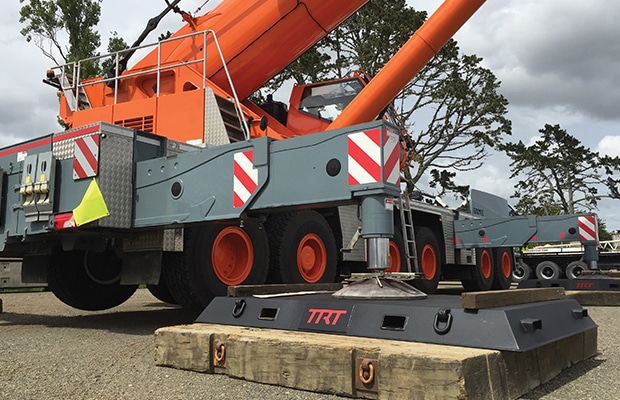
The suspension system on a crane trailer plays a significant role in ensuring the load is safely transported. Crane trailers can carry heavy loads, and a robust suspension system is essential to absorb shock and distribute weight evenly. There are two common types of suspension systems for crane trailers:
- Air Suspension: Air suspension systems use air bags to cushion the load, offering a smoother ride and better shock absorption. This type of suspension is ideal for handling heavy loads and rough road conditions, making it a popular choice for transporting cranes.
- Spring Suspension: Spring suspension is more durable and is often used for medium‑to‑heavy loads. While it doesn’t provide the same level of shock absorption as air suspension, it’s still a reliable option for crane transport, especially for shorter distances.
Axle Configuration for Stability and Load Distribution
The axle configuration determines how weight is distributed across the trailer. A multi‑axle crane trailer provides better stability, as the load is more evenly spread out.
Depending on the crane’s size and weight, you may need a trailer with multiple axles to ensure safe and stable transport. Multi‑axle configurations help prevent excessive wear on the trailer and ensure that the crane remains balanced during transit.
Regulatory Compliance and Legal Requirements
Understanding Australian Road Regulations for Crane Trailers
Australia has specific road regulations for oversized and heavy vehicles, and crane trailers are no exception. Different states and territories have varying rules regarding weight limits, dimensions, and permit requirements for oversized loads.
Before purchasing a crane trailer, make sure to familiarise yourself with these regulations to ensure compliance.
For example, in some areas, you may need to apply for an oversize load permit to transport a crane, and certain roads may have height or weight restrictions that require planning ahead. Failure to comply with these regulations could result in fines, delays, or even accidents.
Ensuring Proper Loading and Securing of the Crane
Proper loading and securing of the crane is another essential legal requirement. To avoid fines and ensure safety, the crane must be securely fastened to the trailer during transport.
Most crane trailers are equipped with tie-down points, ramps, and other safety features that help secure the crane. Make sure that the crane is evenly balanced and all securing mechanisms are tight and functioning properly before starting the transport.
Choosing a Reliable Crane Trailer Supplier
Researching Leading Manufacturers and Brands
Selecting the right supplier is just as important as choosing the right crane trailer. It’s essential to buy from reputable manufacturers known for producing high‑quality, durable trailers designed for crane transport.
Leading brands like Fruehauf, Talbert, and Daimler Trucks are known for their reliable and robust crane trailers, offering various options to suit different types of cranes and transport needs.
Before making a purchase, research the manufacturer’s reputation, reviews, and after‑sales service to ensure that they provide support for ongoing maintenance and repairs.
Supplier After-Sales Support and Warranty Considerations
When buying a crane trailer, make sure that the supplier offers solid after‑sales support, including maintenance, repairs, and warranties. A good supplier will provide a warranty for the trailer and offer technical support and spare parts as needed. This support can save you time and money in the long run, ensuring your trailer remains in good working order.
Cost Considerations and Financing Options
Crane Trailer Price Ranges
The price of crane trailers varies significantly depending on the type, size, and customisation options. Smaller, general‑purpose crane trailers can cost between $10,000 to $30,000, while larger, specialised trailers can cost $50,000 or more. It’s important to balance your budget with the specifications you need for your project.
While upfront cost is a major factor, it’s also essential to consider long‑term costs such as maintenance, insurance, and fuel efficiency when evaluating the trailer’s value.
Financing and Leasing Options for Crane Trailers
If purchasing a crane trailer outright isn’t feasible, many suppliers offer financing or leasing options. These arrangements allow you to spread the cost over time, making it easier to invest in high‑quality equipment without the full upfront payment.
Leasing is an excellent option if you need a trailer for a short‑term project or wish to upgrade your equipment after a few years.
Final Thoughts
Choosing the right crane trailer for your project in Australia is an important decision that affects both the safety and efficiency of your transport operations. By considering the type of trailer, load capacity, size, suspension, and compliance with local regulations, you can select the best trailer for your crane transportation needs.
Researching reliable suppliers and understanding the cost and financing options will ensure you make an informed investment. With the right crane trailer, your business can safely and efficiently transport cranes and heavy machinery to job sites, ensuring smooth and successful projects.